

Meet Nullifinder - Your New Fire Stopping Solution Selector!
Experience passive fire protection compliance and excellence with Nullifire!
For over 50 years, Nullifire has built its reputation on the quality of its service as well as its outstanding smart passive fire protection products.The only manufacturer to offer both intumescent coatings and fire stopping products, Nullifire’s continuous investment in research and development allows us to remain at the forefront of innovation when it comes to passive fire protection.
A brand of Tremco CPG UK, we pride ourselves on excellence in customer service, technical support, and service delivery. Working in union with our sister brands, here at Nullifire we can offer an array of construction products for all stages of your projects.
A Global Success Story
Nullifire has been a truly world-leading supplier of passive fire protection for 50 years! And, we now have a presence in six continents with nine factories and 24 sales offices worldwide, through our mother company Tremco CPG.
Offering both intumescent steel coatings and fire stopping products, including cavity fire barriers, Nullifire remains at the forefront of innovation when it comes to passive fire protection. We offer a wide range of passive fire protection products to suit your project requirements, our team are on hand to help every step of the way.
You can rely on our high performance products to protect people and buildings from fire!
Expertise at Your Fingertips
We’re dedicated to using our extensive fire safety and passive fire protection expertise to provide architects, specifiers, applicatiors / installers and main contractors / general contractorswith the advice they need to protect buildings and people from fire. If you’d like to find out more you can browse our solutions by product range or call/email us today to discuss your fire protection questions.
Total Compliant Solutions
Here at Nullifire, we regularly conduct fire testing to ensure that our products meet the requirements of standards and are globally recognised.
Our passive fire protection products undergo initial validation assessments at our in-house facilities prior to undergoing rigorous independent 3rd party testing with leading UKAS test houses, resulting in the following accreditations.

Nullifinder - Our Solutions Selector
This handy tool provides you with a quick and easy way to identify the right Nullifire fire stopping products. Encapsulating a variety of construction environments as well as service and seal types, we have designed this tool for you, so you can generate the most appropriate solution and download all the technical documents for your project requirements.
Explore NullifinderLatest News
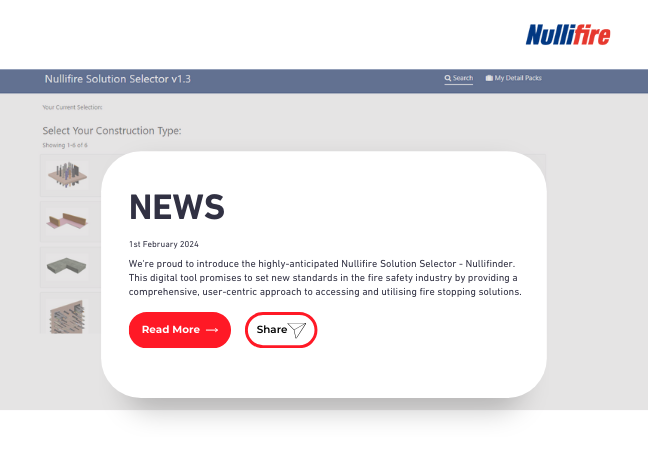 Finding the Right Fire Stopping Fit for Your Needs with Nullifire’s New Solutions Selector!
We're proud to introduce the highly-anticipated Nullifire Solution Selector - Nullifinder. This digital tool promises to set new standards in the fire safety industry by providing a comprehensive, user-centric approach to accessing and utilising fire stopping solutions.
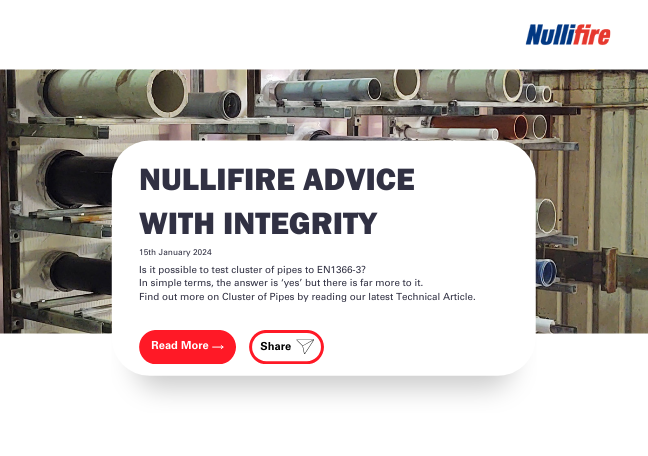
Latest Technical Articles

Services
Nullifire has built its reputation on the quality of its outstanding products as well as services. We offer continuous support, both online and on-site, to ensure our products are received and that a project has been completed correctly.
SEE HOW WE CAN SUPPORT YOU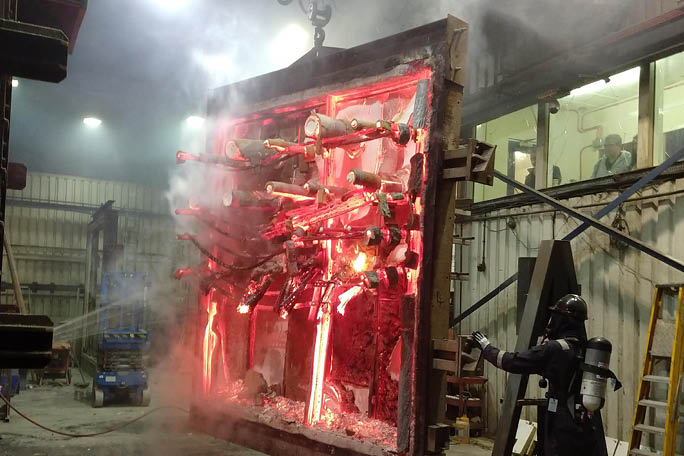
Testing & Certifications
At Nullifire, we regularly conduct fire testing to ensure that our products meet the requirements of standards and are globally recognised. We are also an active member of several associated bodies within the construction and passive fire protection industries.
OUR TESTING & CERTIFICATIONS
Distributor Finder
Nullifire works with many distributors across the UK and Ireland, use our tool to locate your closest distributor.
Distributor Finder


